Preparing Kids for Kindergarten: Our Unique Curriculum

Updated: Feb 19
Starting kindergarten is a significant milestone in a child's life. It marks the beginning of formal education and introduces children to a structured learning environment. As parents, you want to ensure that your child is ready for this transition. At our school, we have developed a unique curriculum designed to prepare kids for kindergarten in a fun and engaging way. This blog post will explore our curriculum, its components, and how it supports children's growth and development.
Understanding the Importance of Early Education
Early education plays a crucial role in a child's development. Research shows that children who participate in quality early learning programs are more likely to succeed academically and socially. Here are some key benefits of early education:
Social Skills Development: Children learn to interact with peers, share, and resolve conflicts.
Cognitive Growth: Early exposure to literacy and numeracy helps build a strong foundation for future learning.
Emotional Regulation: Kids learn to manage their emotions and develop resilience.
Independence: Early education encourages children to explore and learn on their own.
Our curriculum is designed to harness these benefits, ensuring that children are not only prepared for kindergarten but also equipped with essential life skills.
Key Components of Our Curriculum
Our unique curriculum is built around several core components that work together to create a holistic learning experience. These components include:
1. Play-Based Learning
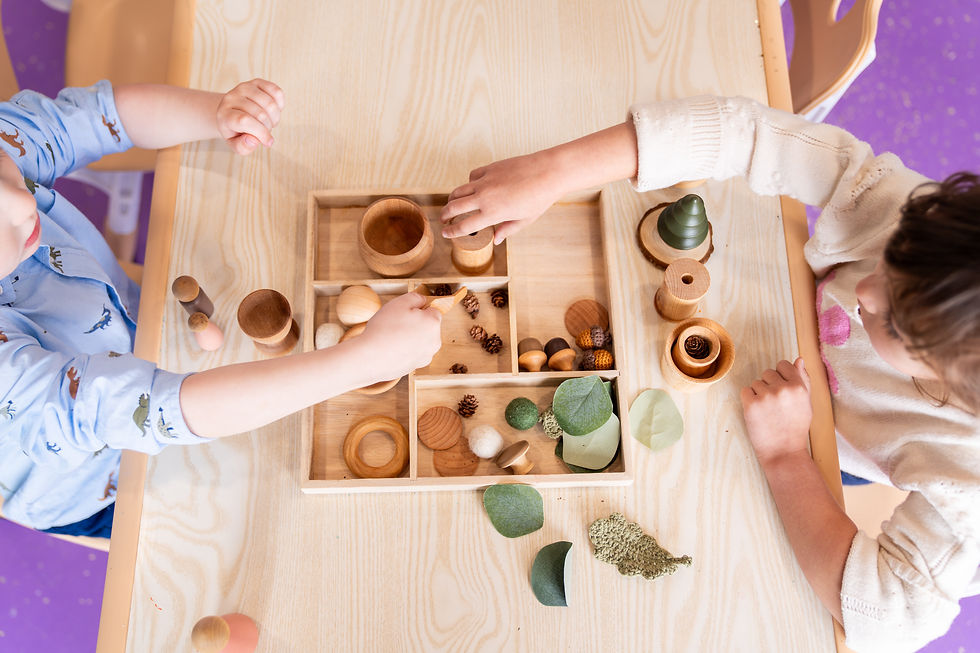
Play is a natural way for children to learn. Our curriculum incorporates play-based learning, allowing kids to explore concepts through hands-on activities. This approach fosters creativity, critical thinking, and problem-solving skills. For example, children might engage in role-playing scenarios that teach them about community roles, such as being a doctor or a shopkeeper.
2. Language and Literacy Development
We emphasize language and literacy from an early age. Our curriculum includes:
Storytime: Daily reading sessions expose children to new vocabulary and storytelling techniques.
Phonics Activities: Fun games and songs help kids recognize letters and sounds.
Writing Practice: Children engage in writing activities that promote fine motor skills and letter formation.
By integrating these elements, we ensure that children develop a love for reading and writing, setting the stage for academic success.
3. Math and Science Exploration
Mathematics and science are essential subjects that help children understand the world around them. Our curriculum introduces these concepts through:
Hands-On Activities: Kids explore math through counting games, measuring ingredients for cooking, and sorting objects by size or color.
Science Experiments: Simple experiments, such as growing plants or observing weather changes, spark curiosity and encourage inquiry.
These activities not only make learning enjoyable but also help children grasp fundamental concepts in math and science.
4. Social-Emotional Learning
Social-emotional learning (SEL) is a vital aspect of our curriculum. We focus on helping children develop self-awareness, empathy, and interpersonal skills. Activities include:
Group Discussions: Children share their feelings and experiences, fostering a sense of community.
Conflict Resolution: We teach kids strategies to resolve disagreements peacefully.
Mindfulness Practices: Simple breathing exercises and relaxation techniques help children manage stress and emotions.
By prioritizing SEL, we prepare children to navigate social situations and build healthy relationships.
5. Physical Development
Physical activity is crucial for young children. Our curriculum includes:
Outdoor Play: Daily outdoor time allows kids to run, climb, and explore, promoting gross motor skills.
Fine Motor Activities: Crafts, puzzles, and building blocks help develop hand-eye coordination and dexterity.
Encouraging physical development not only supports overall health but also enhances cognitive function.
Engaging Parents in the Learning Process
We believe that parents play a vital role in their child's education. Our curriculum includes opportunities for parental involvement, such as:
Workshops: We offer workshops on topics like child development and effective parenting strategies.
Family Events: Regular events, such as family nights and open houses, foster a sense of community and allow parents to connect with teachers and other families.
Regular Communication: We provide updates on children's progress and share resources for at-home learning.
By engaging parents, we create a supportive network that enhances children's learning experiences.
Assessing Readiness for Kindergarten
As children progress through our curriculum, we regularly assess their readiness for kindergarten. This assessment includes:
Developmental Checklists: We evaluate children's skills in areas such as language, math, and social-emotional development.
Observations: Teachers observe children during activities to gauge their engagement and understanding.
Parent Feedback: We encourage parents to share their insights about their child's growth and development.
These assessments help us tailor our curriculum to meet the individual needs of each child, ensuring they are well-prepared for the next step in their educational journey.
Success Stories from Our Program
Our unique curriculum has led to numerous success stories. Here are a few examples of how our program has positively impacted children:
Emily: A shy child who struggled with social interactions blossomed in our play-based environment. Through role-playing and group activities, she gained confidence and made lasting friendships.
Liam: Initially hesitant about writing, Liam discovered a passion for storytelling during our daily storytime. He now enjoys creating his own stories and sharing them with the class.
Sophia: With a keen interest in science, Sophia thrived during our hands-on experiments. Her curiosity led her to ask questions and explore concepts beyond the classroom.
These success stories highlight the effectiveness of our curriculum in fostering growth and development.
Preparing for the Transition to Kindergarten
As the school year progresses, we focus on preparing children for the transition to kindergarten. This preparation includes:
Kindergarten Readiness Activities: We introduce activities that mimic the kindergarten experience, such as following a schedule and participating in structured lessons.
Visits to Local Kindergartens: Field trips to nearby schools help children familiarize themselves with the new environment and meet future teachers.
Parent Workshops: We provide resources and strategies for parents to support their child's transition at home.
By taking these steps, we ensure that children feel confident and excited about starting kindergarten.
Conclusion
Preparing kids for kindergarten is a journey that requires careful planning and a supportive environment. Our unique curriculum focuses on play-based learning, language and literacy development, math and science exploration, social-emotional learning, and physical development. By engaging parents and assessing readiness, we create a comprehensive program that sets children up for success.
As your child approaches this important milestone, consider how our curriculum can support their growth and development. Together, we can ensure that they are ready to embrace the exciting world of kindergarten.
Comments